
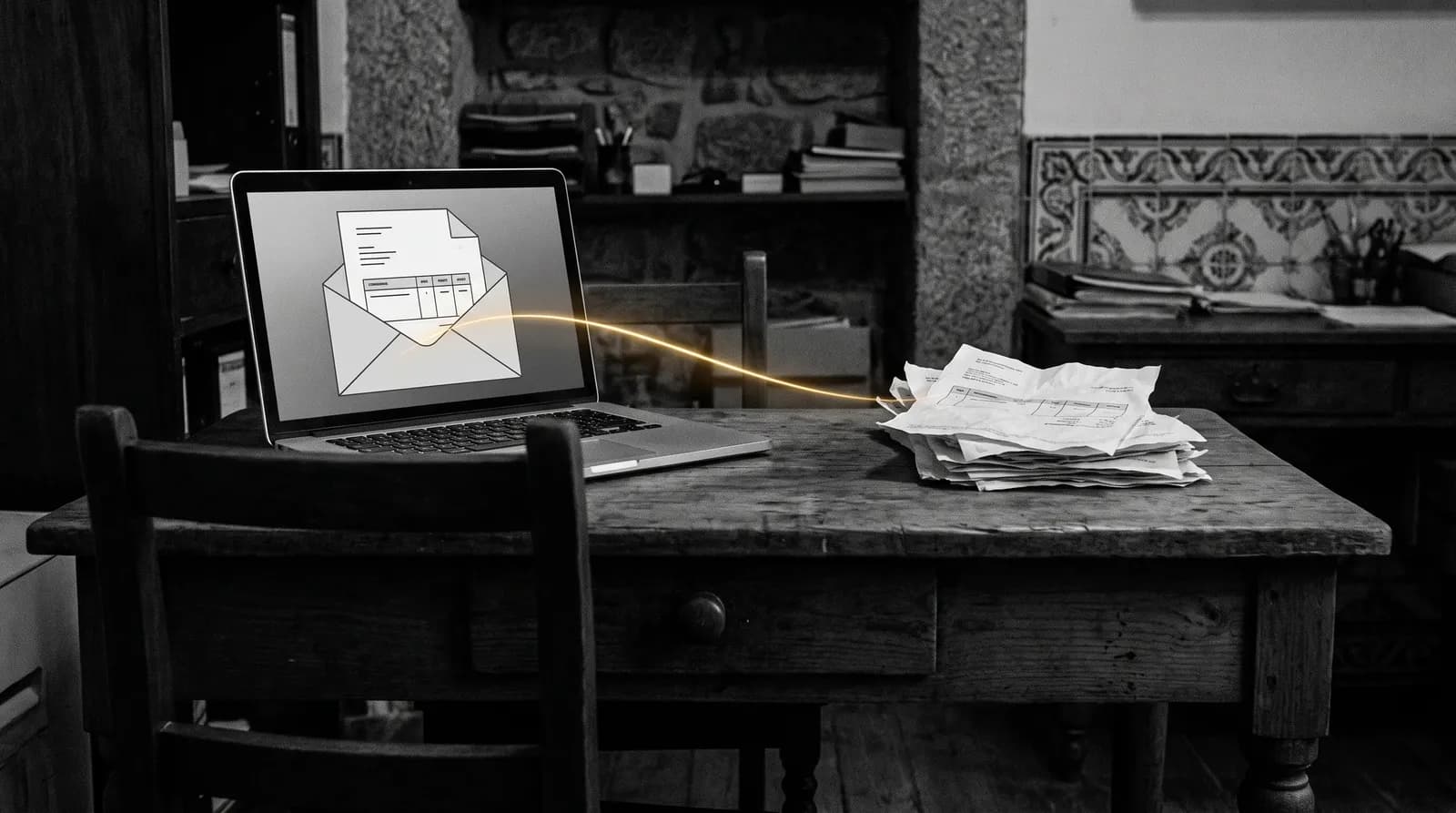
An order arrives as a PDF and someone types it into the ERP again.
It arrives by email, as a PDF or a spreadsheet, in a different format depending on the customer. Someone reads it, works it out and types it again.
What changes when work stops moving from hand to hand.
Three real cases, anonymised, and four situations we see repeat. The thread is always the same: fewer steps by hand and fewer decisions stuck with the same person.
The In the field cases are real projects, anonymised at the clients’ own request. The rest show, illustratively, how a similar process could be put together.
Metres went missing between the roll coming in and the piece going out. The loss was known — it just had no location.
1.8% deviation identified at one of the measured points
Requests came in by email, phone, front desk and platforms, and the systems disagreed about the same availability.
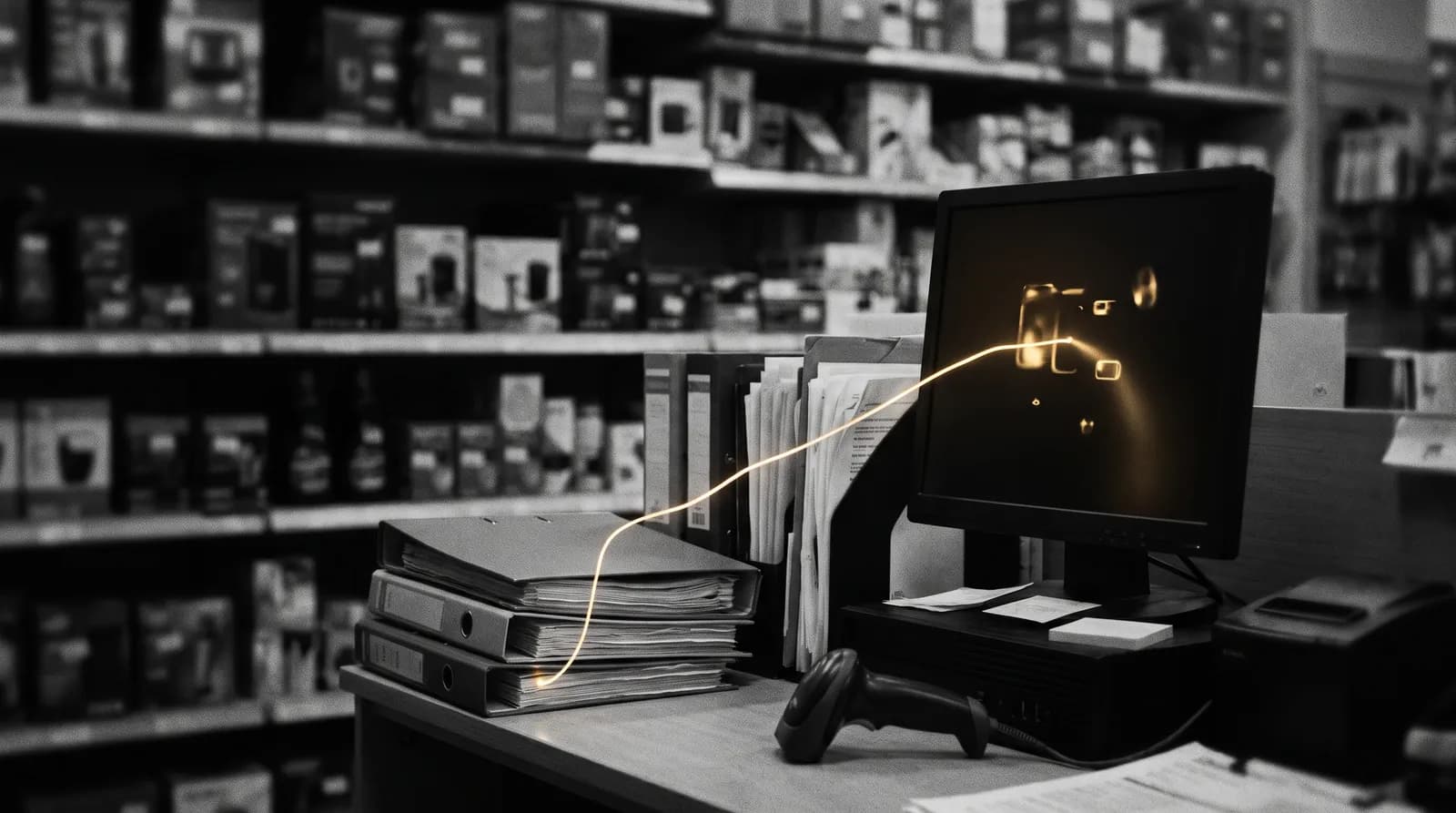
Every quote started with a hunt for similar old proposals, and customer replies were rewritten each time.
It arrives by email, as a PDF or a spreadsheet, in a different format depending on the customer. Someone reads it, works it out and types it again.
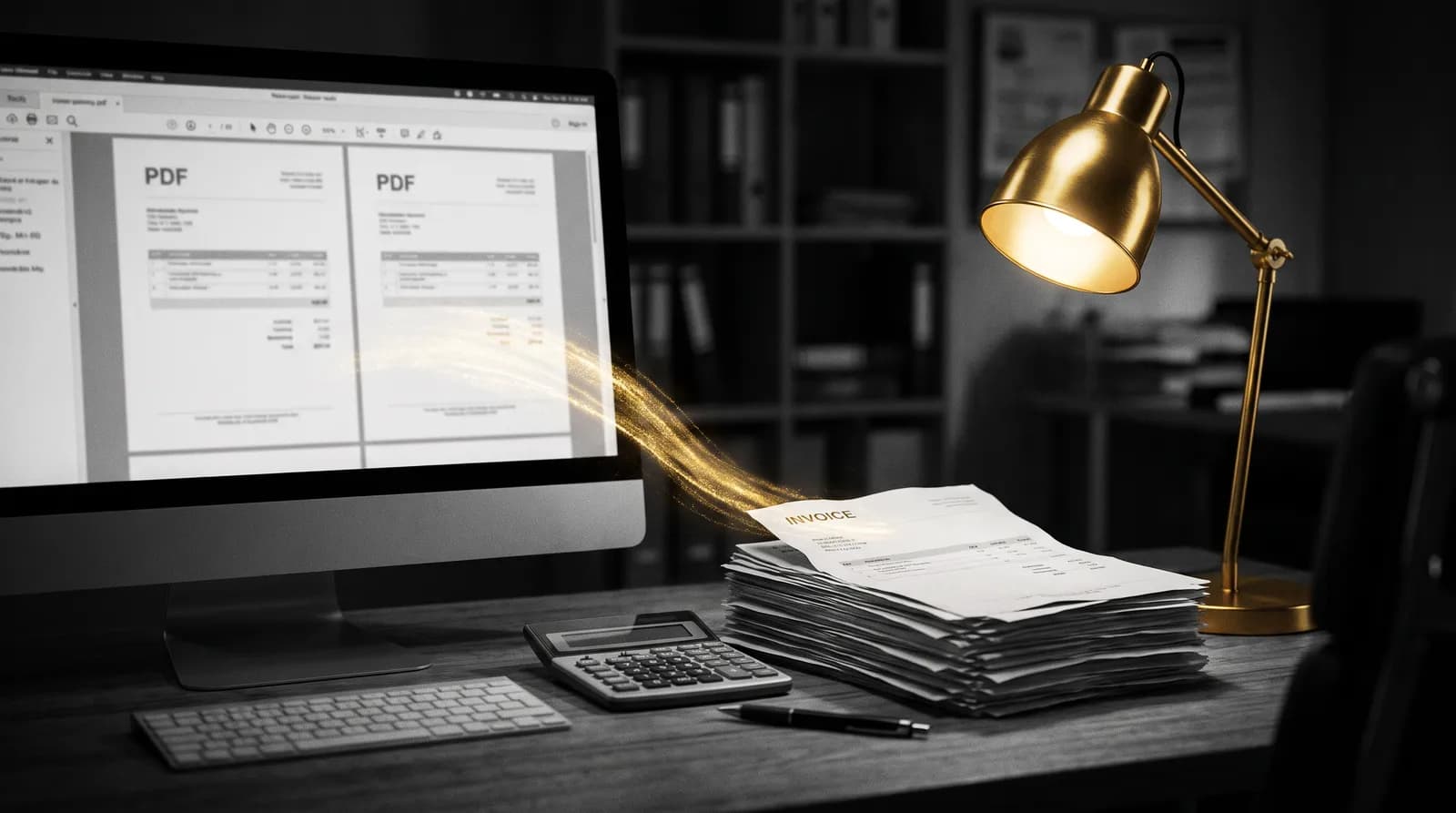
The PDF gets opened, the data gets copied and the classification is done one by one.

The information sits in several places and every proposal starts almost from scratch.

A quote needs sign-off. A complaint came in. The customer asked for an exception. The team can handle it, but before moving someone always calls the same person.
Bring us a similar process. In 30 minutes we tell you whether it is worth changing, testing a part of it, or leaving it as it is.